




Sustainability at a Glance
Protecting the Environment for a Better Future
Protecting the Environment for a Better Future
Maintaining environmental quality and the availability of natural resources provides the foundation for our business sustainability. At Garudafood, we manage environmental aspects through three interconnected focuses: regulatory compliance, resource efficiency, and impact reduction.

Energy & Emissions
As a food and beverage company with an extensive network of manufacturing and distribution facilities across Indonesia, we require a reliable energy supply to ensure the continuity of production and delivery of our products to consumers. Because energy consumption directly contributes to greenhouse gas emissions, we manage both aspects in an integrated manner by increasing operational efficiency and gradually transitioning to lower-emission energy sources.
How We Manage Energy & Emissions
To realize this commitment, we implement a number of initiatives, including an Energy Management System (EMS), more efficient production technology, stronger energy-saving practices across all facilities, and the gradual adoption of new and renewable energy.
Biomass Utilization
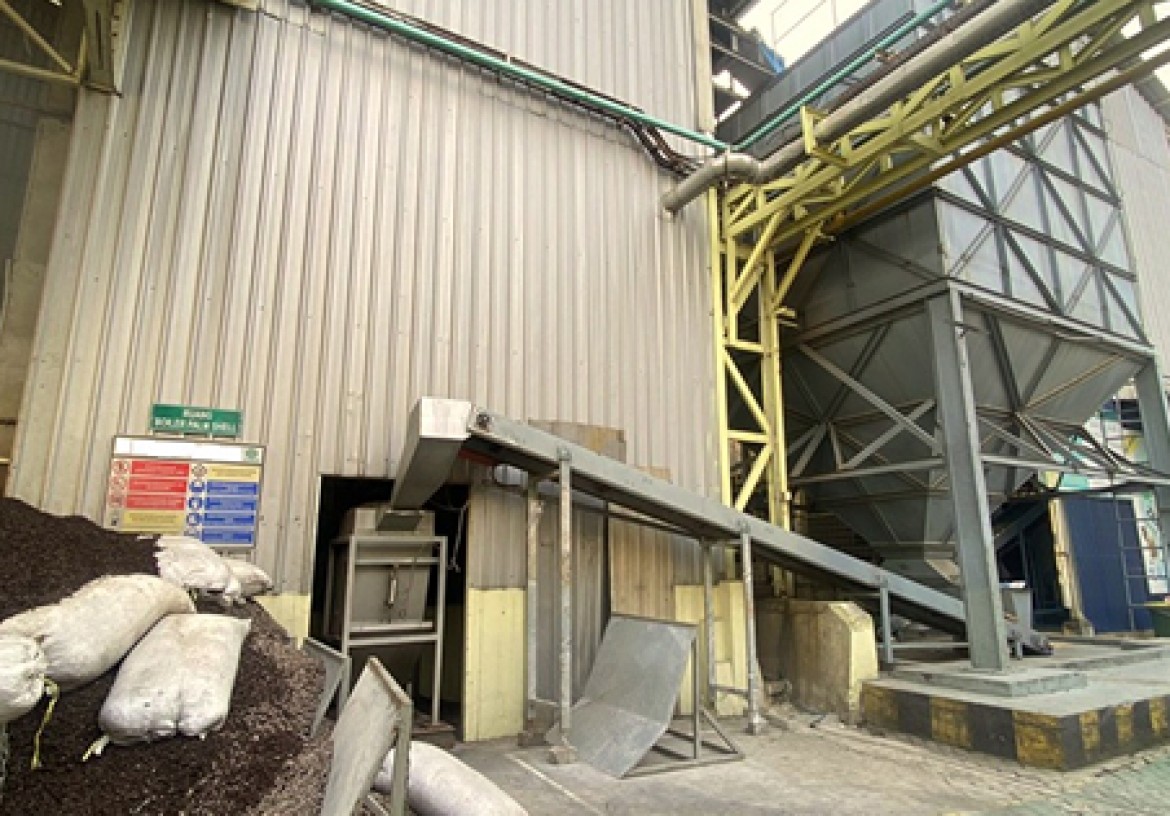
We are gradually transitioning from fossil fuels to green biomass, such as palm kernel shells and wood chips, as boiler fuel. By 2025, we had successfully implemented this conversion at seven manufacturing facilities, with biomass accounting for more than 20% of energy utilization. We will increase this proportion periodically.
Solar Panel Installation
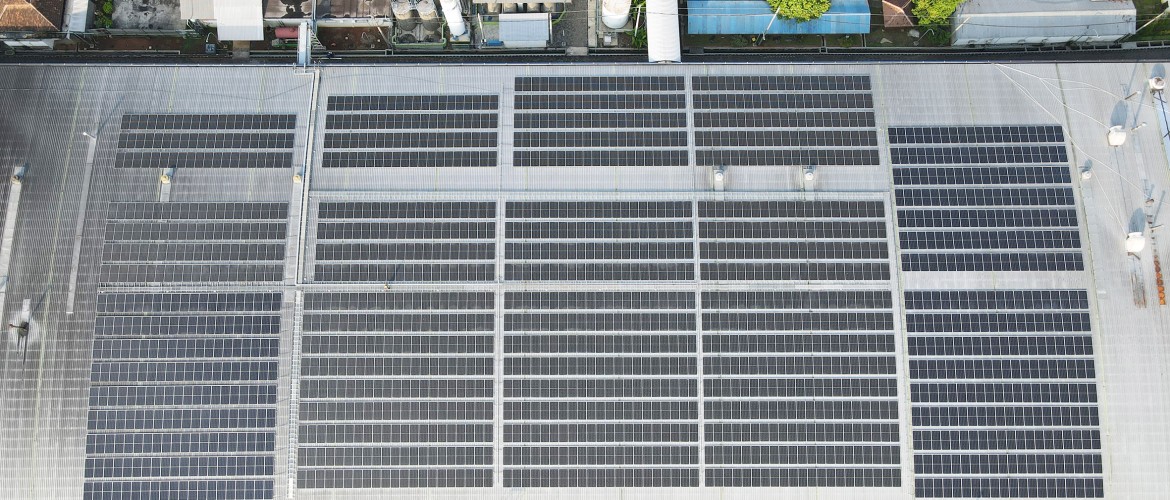
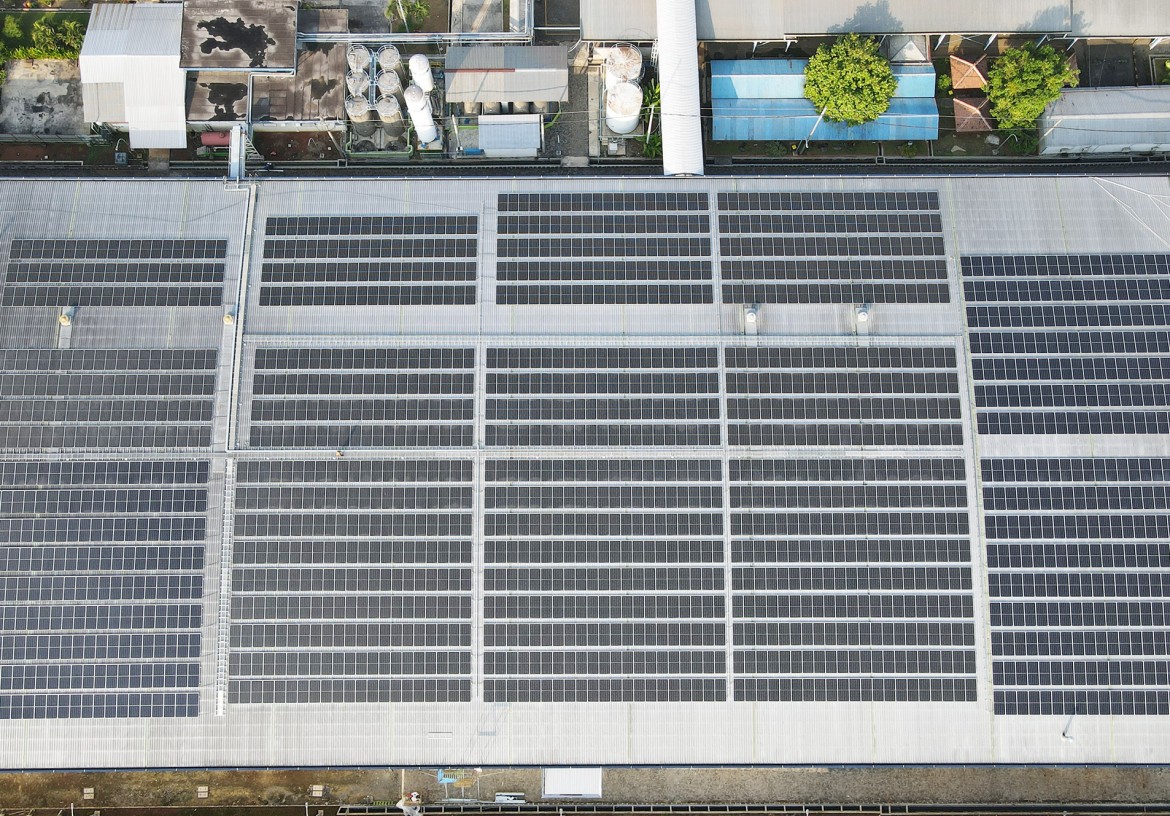
As part of our clean energy diversification efforts, we continue to expand the use of rooftop solar power plants (PLTS). By 2025, the total installed capacity at our headquarters and manufacturing facilities will reach 3,415 kWp.


Water Management
Water plays an essential role in the production process, facility sanitation, and fulfillment of product hygiene standards. Therefore, we strive to maintain the availability of sufficient, quality water at each facility while managing its use efficiently and contributing to the sustainability of water sources in our operational areas.
Our efforts include on-site and off-site conservation activities.
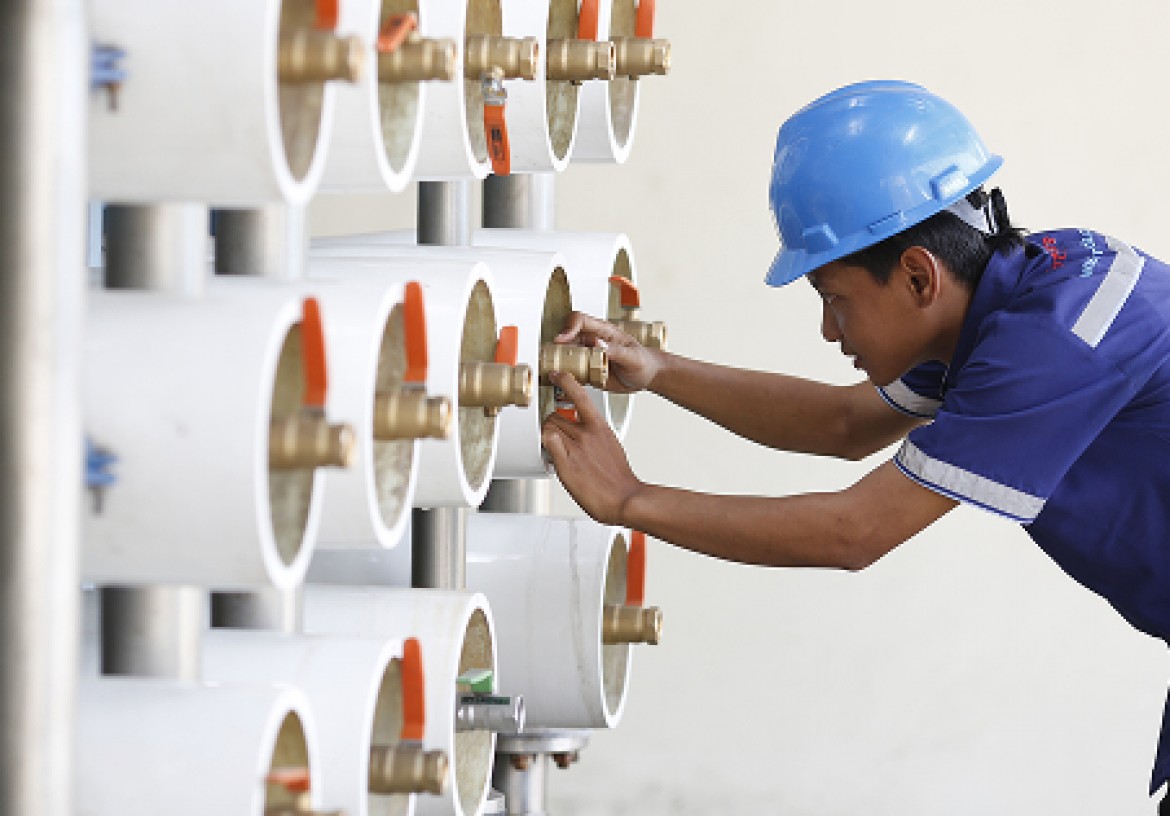
In the Facility
Efficiency & Prevention of Water Wastage
- Conducting regular inspections to identify potential water leaks and prevent waste
- Installing sensor taps in sanitation facilities
- Fostering a water-saving culture through socialization and reminder materials in the work area
- Increasing production line efficiency to better control water usage

Utilization of Alternative Water Sources & Water Absorption
- Harvesting rainwater at several company facilities
- Creating biopore holes to increase groundwater absorption around operational areas
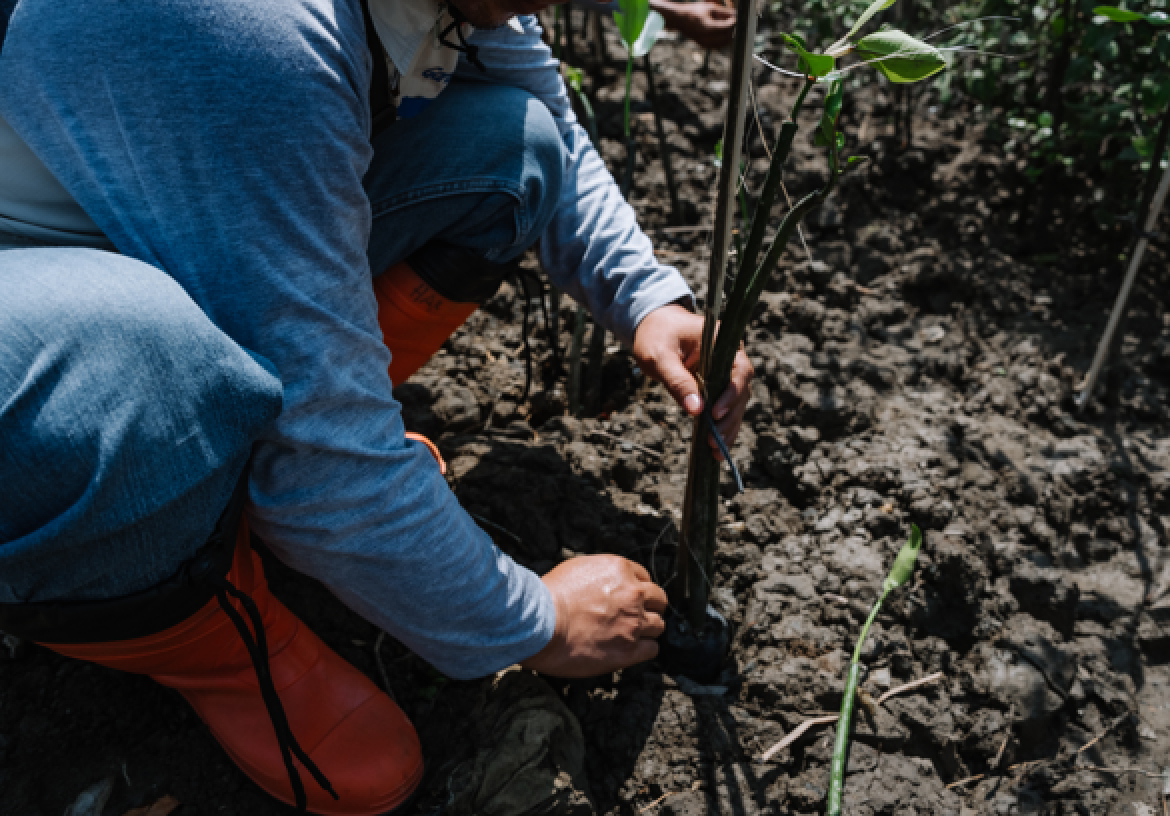
Outside of the Facility

Water Conservation
We participate in activities to protect water sources with local governments and river activist communities, including river clean-up activities in the East Java and Central Java regions.
Waste Management
Each of our operational activities has the potential to generate waste, including solid waste, liquid waste, and hazardous and toxic waste (B3). We are committed to managing waste responsibly by prioritizing waste prevention and reduction and gradually implementing circular economy principles.
Solid Waste Management (Waste)
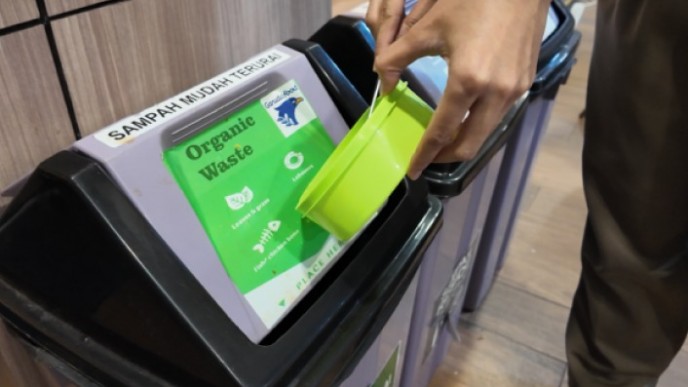
Head Office & Business Units
We manage waste by sorting it at the source. We provide segregated waste bins and educate employees to develop responsible waste management habits.
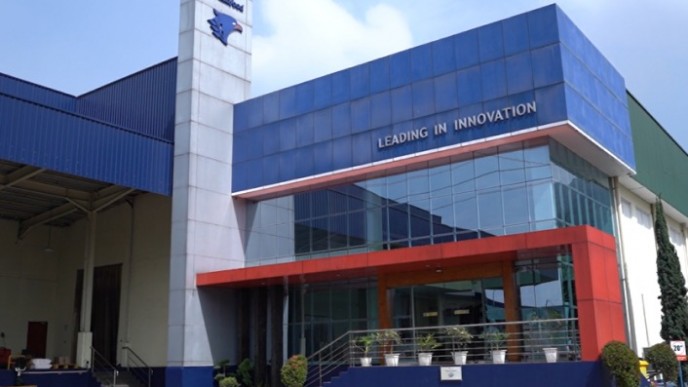
Manufacturing Facilities
We utilize Food Loss and Waste (FWS) from the production process through Black Soldier Fly (BSF) bioconversion technology. Through this process, food waste naturally decomposes and converts into animal feed, preventing it from ending up as waste.
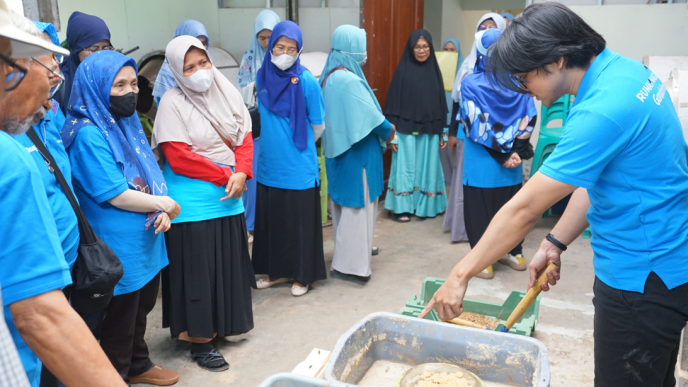
Community
We encourage communities to manage organic waste independently by providing support in the form of maggot cultivation media, seeds, and intensive mentoring, along with market certainty, together with our partners.
Hazardous and Toxic Waste & Liquid Waste Management
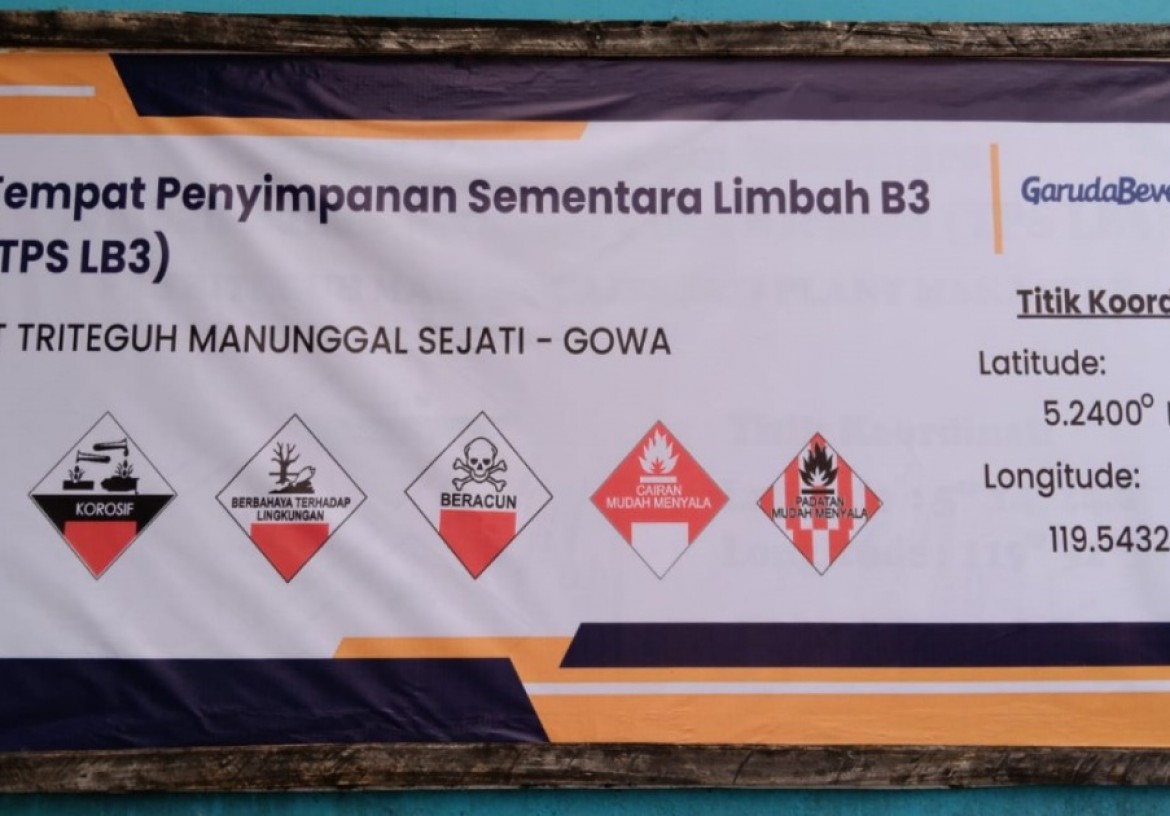
Hazardous and Toxic Waste
We manage hazardous and toxic waste in accordance with government regulations, including by providing special Temporary Collection Points (TPS) and handing over the waste to licensed and verified third parties for further transportation and processing.
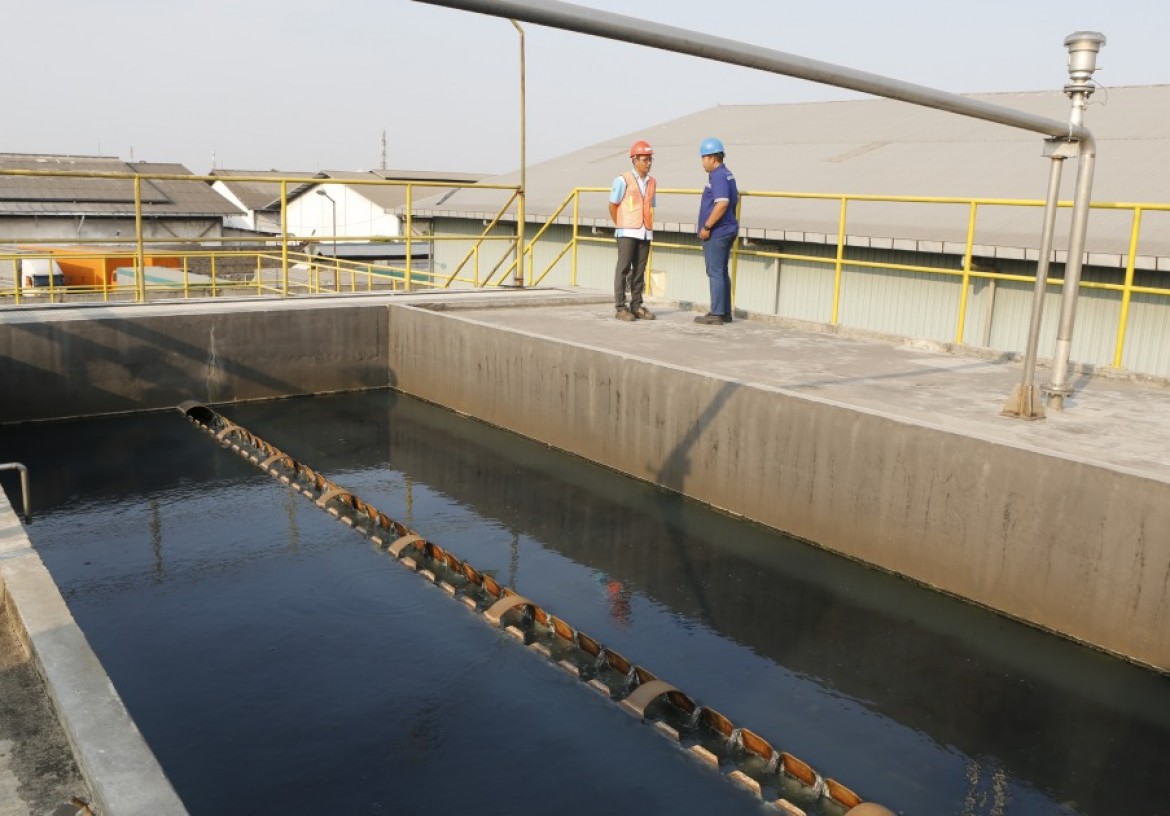
Liquid Waste
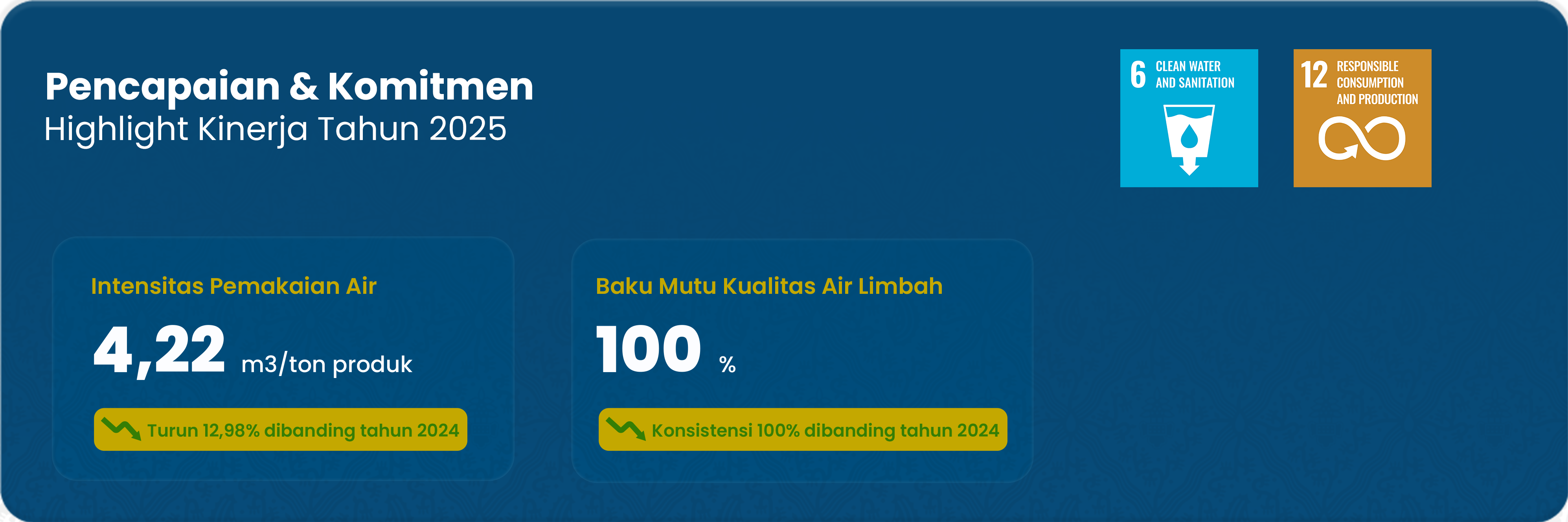
We process all domestic and industrial liquid waste through Wastewater Treatment Plants (WWTP). We routinely monitor wastewater quality parameters to ensure compliance with quality standards before returning the treated water to the environment.
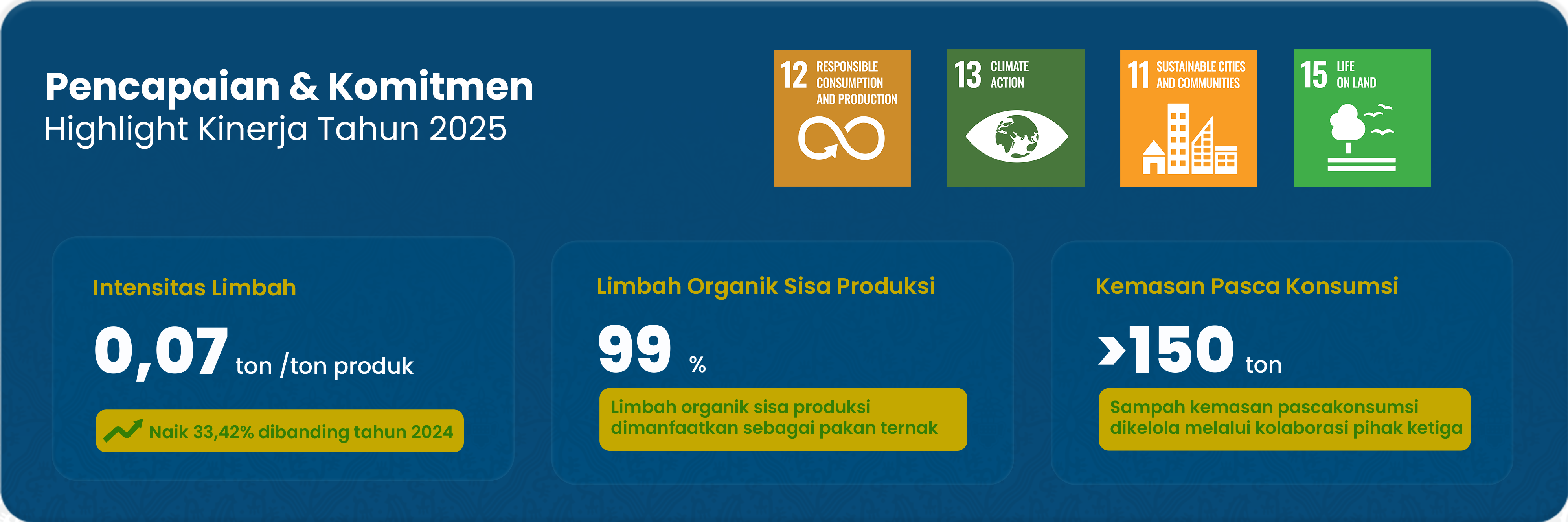

Packaging Management
Packaging plays an integral role in maintaining product quality and safety until products reach consumers. We are committed to minimizing our environmental impact across the packaging value chain, from upstream to downstream. Upstream, we realize this commitment at the design stage by reducing packaging grammage and using monomaterials to facilitate recycling. Downstream, we promote post-consumer packaging waste management through public education and strategic partnerships.
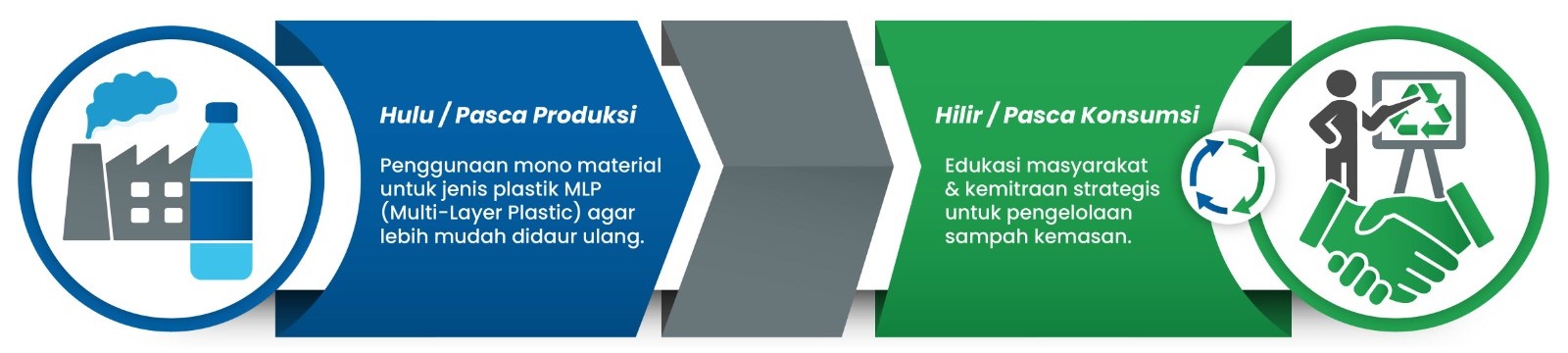
Packaging Innovation
We continue to develop greener packaging designs throughout the value chain. Starting at the source, we gradually reduce packaging grammage to reduce material usage. We also use monomaterials in flexible packaging to facilitate recycling. By 2025, approximately 50% of our flexible packaging materials will have switched to monomaterial types. In addition, we use FSC and/or PEFC-certified cardboard packaging to support sustainable forest management.
Education & Socialization
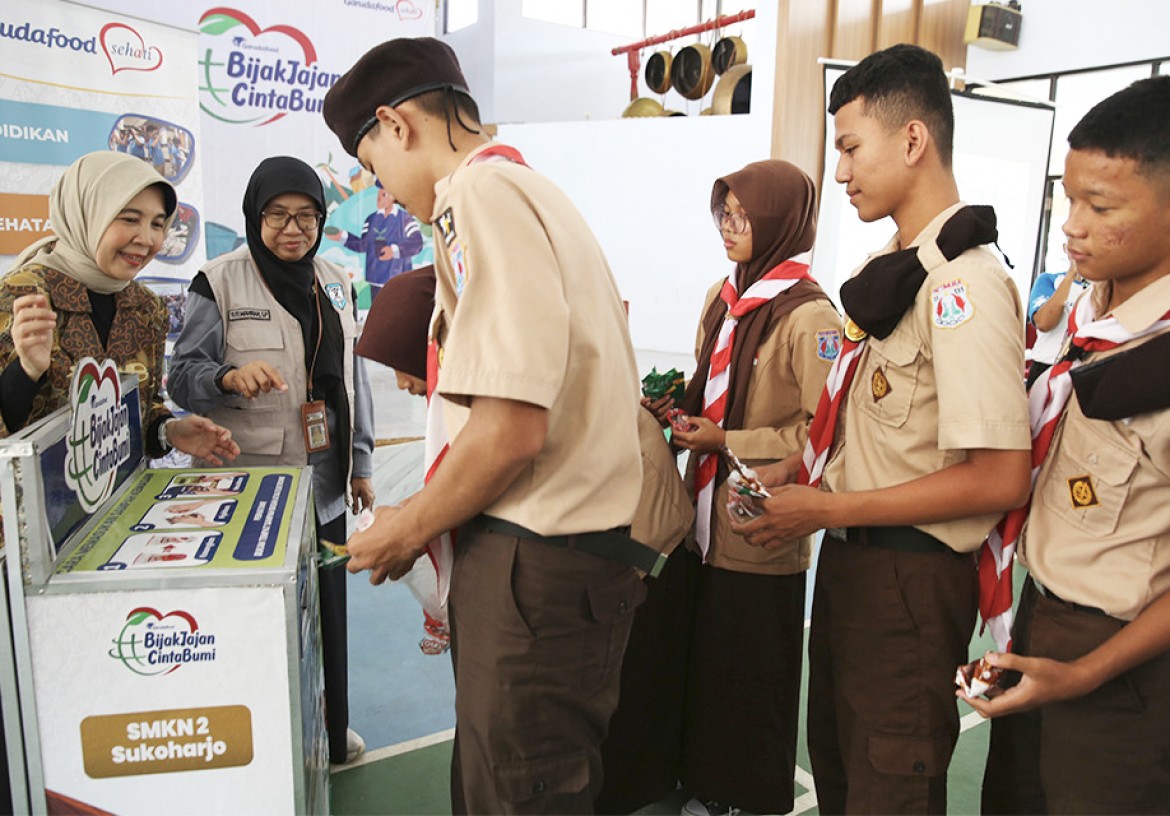
Dropbox Packaging Waste
We run this program in schools around Garudafood's business units to raise students' environmental awareness, particularly about waste sorting.

Education
How to sort waste and provide drop boxes for packaging waste.

Achievements
Throughout 2025, more than 30,000 kg of inorganic waste was successfully managed through this program.
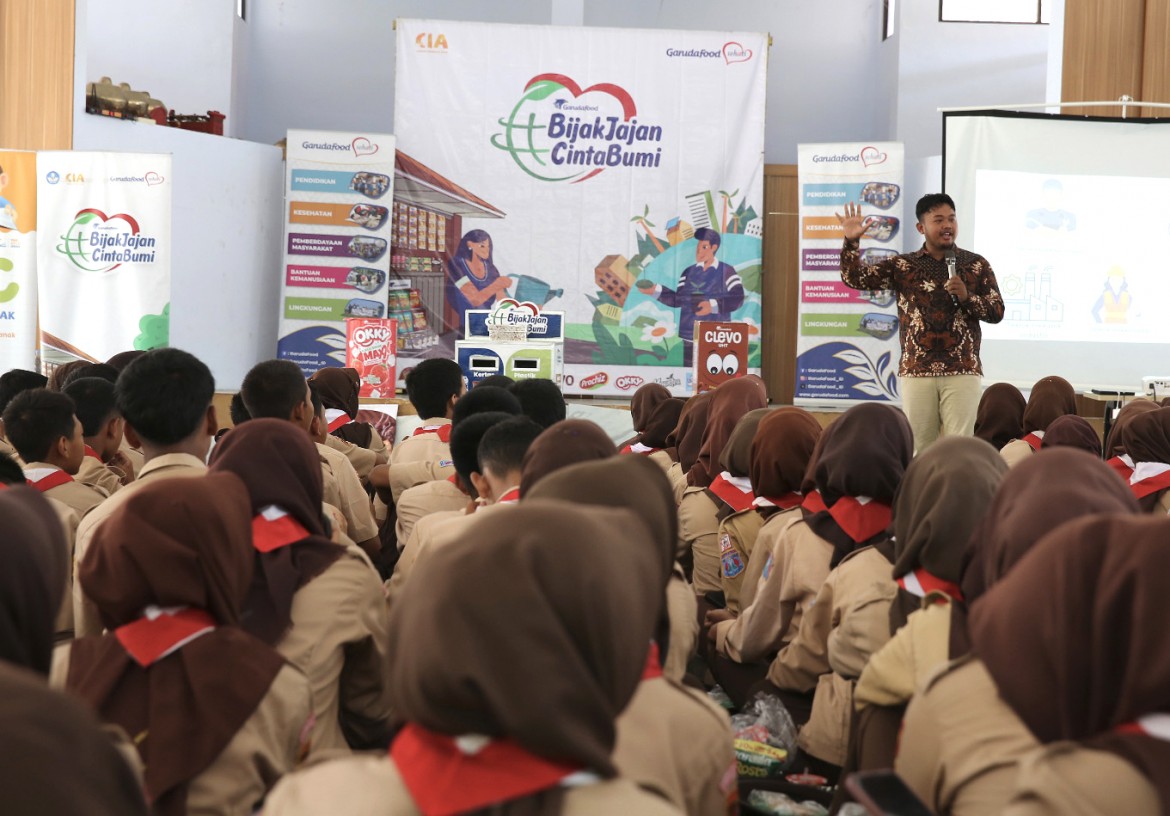
Bijak Jajan Cinta Bumi
Raising awareness of food safety and packaging waste management from an early age.
Education
Includes KLIK Check (Packaging, Label, Distribution Permit, Expiration) and implementation of PHBS (Clean and Healthy Living Behavior).
Achievements
By 2025, the program will have educated 30 schools in Surakarta and its surroundings and reached more than 20,000 beneficiaries.
Partnership Strategies
Strategic Partnerships
To realize more sustainable packaging management, we establish strategic partnerships with organizations and communities that care about environmental issues.
IPRO (Indonesian Packaging Recovery Organization)
We collaborate with IPRO in the recovery of post-consumer packaging waste. Through this partnership, we manage inorganic waste such as Multi Layer Plastic (MLP), Polypropylene (PP), and Used Beverage Carton (UBC) to reduce the amount of packaging waste in the environment.
Collaboration with Environmental Activists
We collaborate with environmental activists to reactivate the Waste Bank community in Pati. This collaboration encourages the collection of MLP packaging waste while strengthening the role of communities in waste management at the local level.